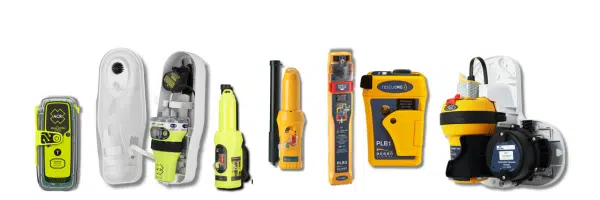
A Simple Guide to Marine Safety Beacons
Emergency location beacons are becoming an essential piece of safety gear for anyone heading out on the water. As prices have dropped and technology has improved, these devices are now more accessible than ever—making them a smart investment for added security on any trip.
However, with several types available, choosing the right one depends on how and where you plan to use it.
Types of Safety Beacons
There are three main kinds of emergency beacons used in marine and outdoor environments:
- EPIRB (Emergency Position Indicating Radio Beacon)
- PLB (Personal Locator Beacon)
- AIS (Automatic Identification System) Beacon also known as an MOB
Each serves a different purpose and is designed for specific situations.
EPIRB: Vessel-Based Emergency Beacon
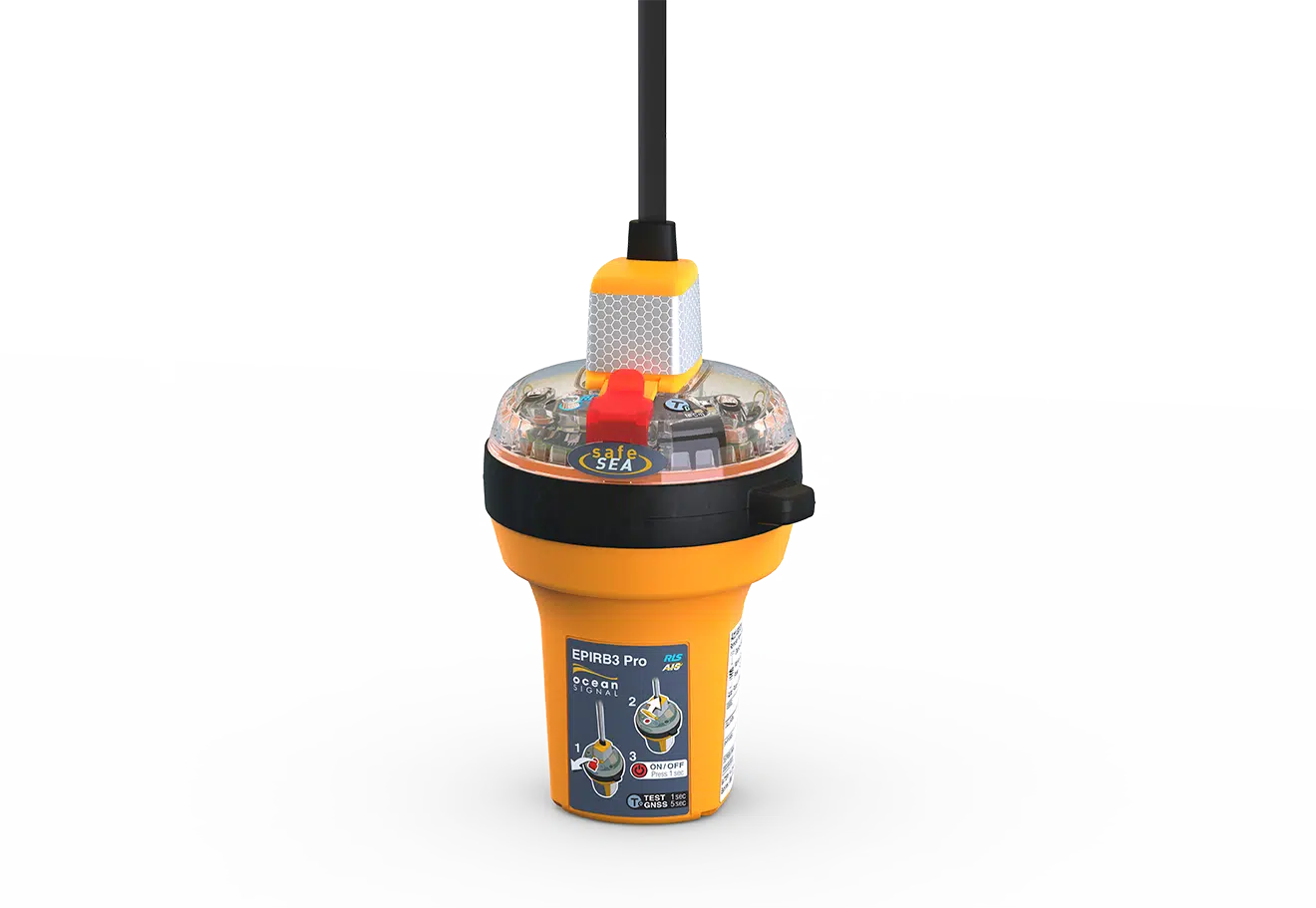
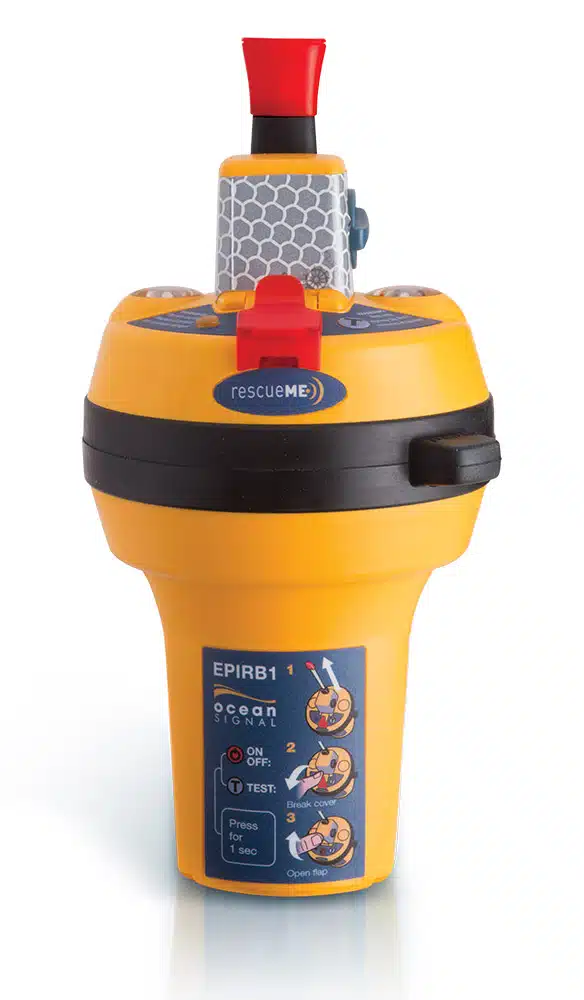
An EPIRB is installed on a boat and is used to alert search and rescue services during serious emergencies at sea. It is registered to the vessel rather than an individual.
When activated, it transmits a distress signal via satellite on the 406 MHz frequency, providing global coverage. Many models also include GPS, allowing rescuers to pinpoint your position with high accuracy.
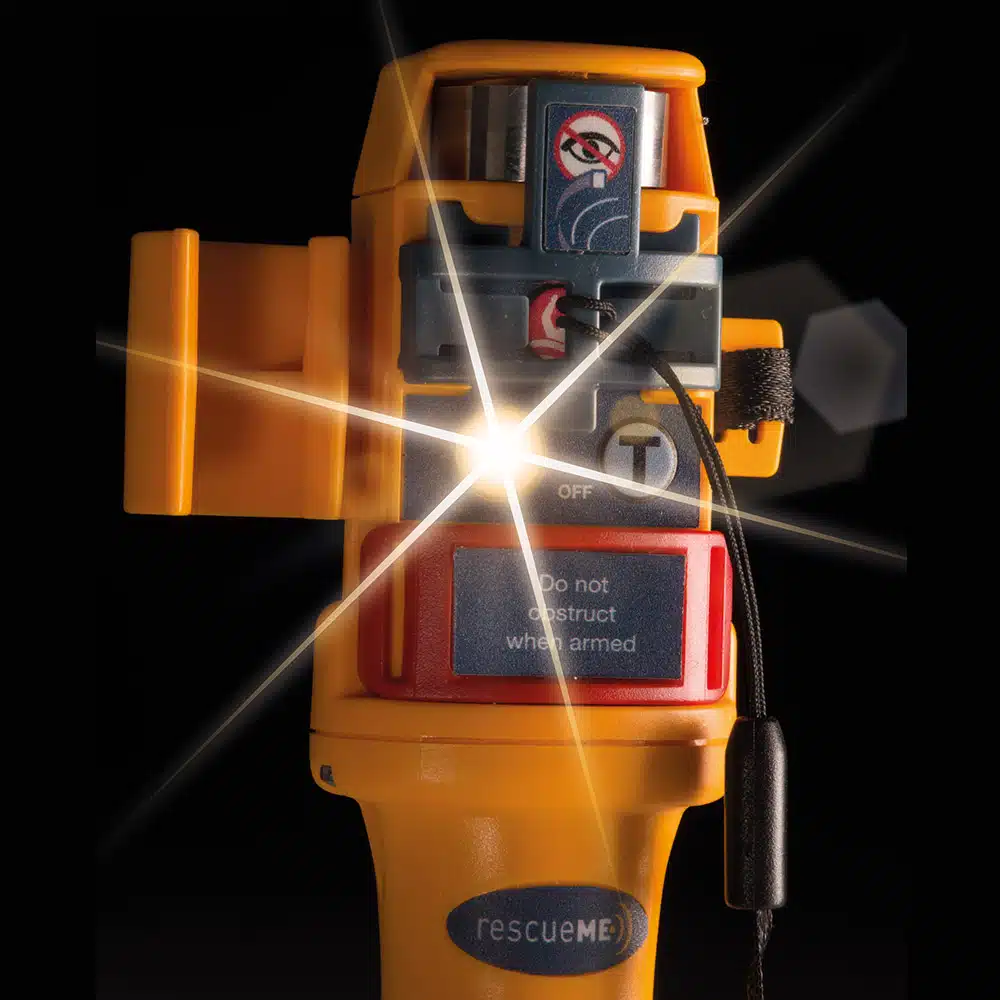
Additionally, EPIRBs use a secondary homing signal (121.5 MHz), which helps rescuers locate you precisely once they are nearby. Some newer versions also broadcast AIS signals, enabling nearby vessels to assist more quickly.
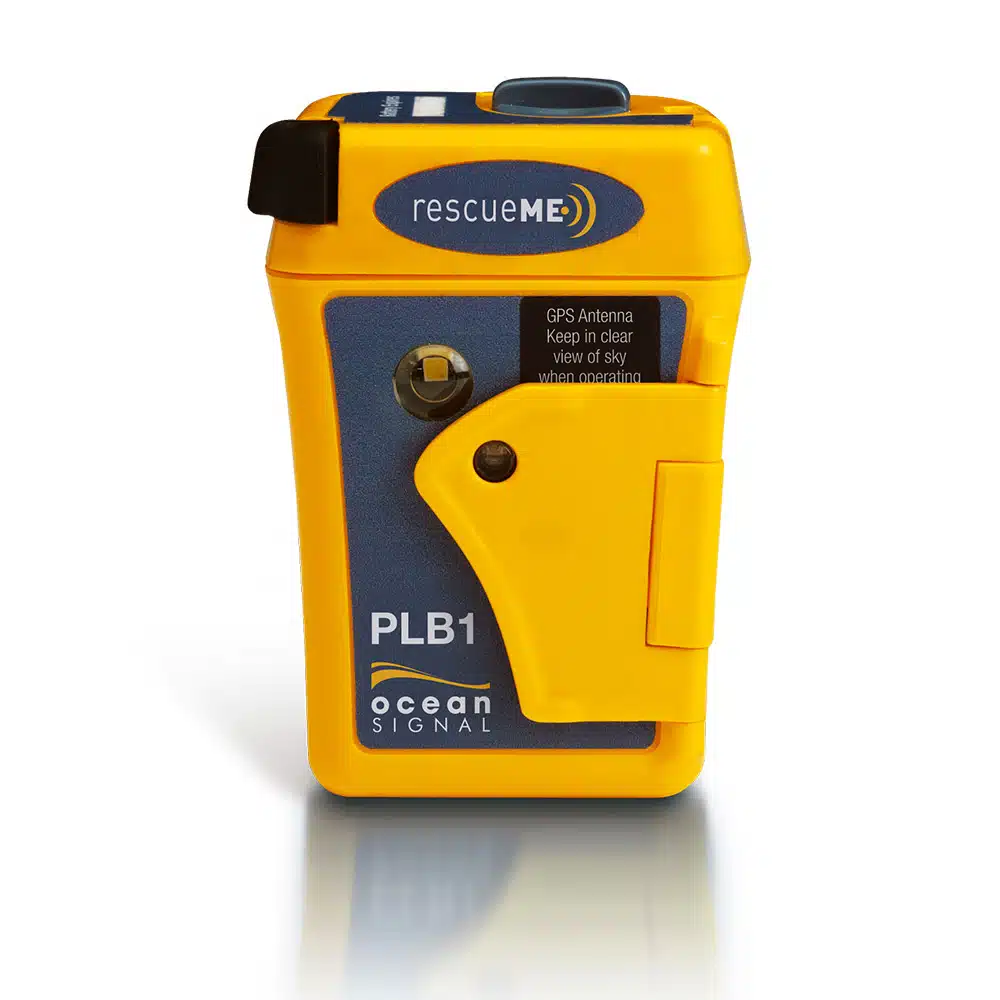
PLB: Personal Emergency Beacon
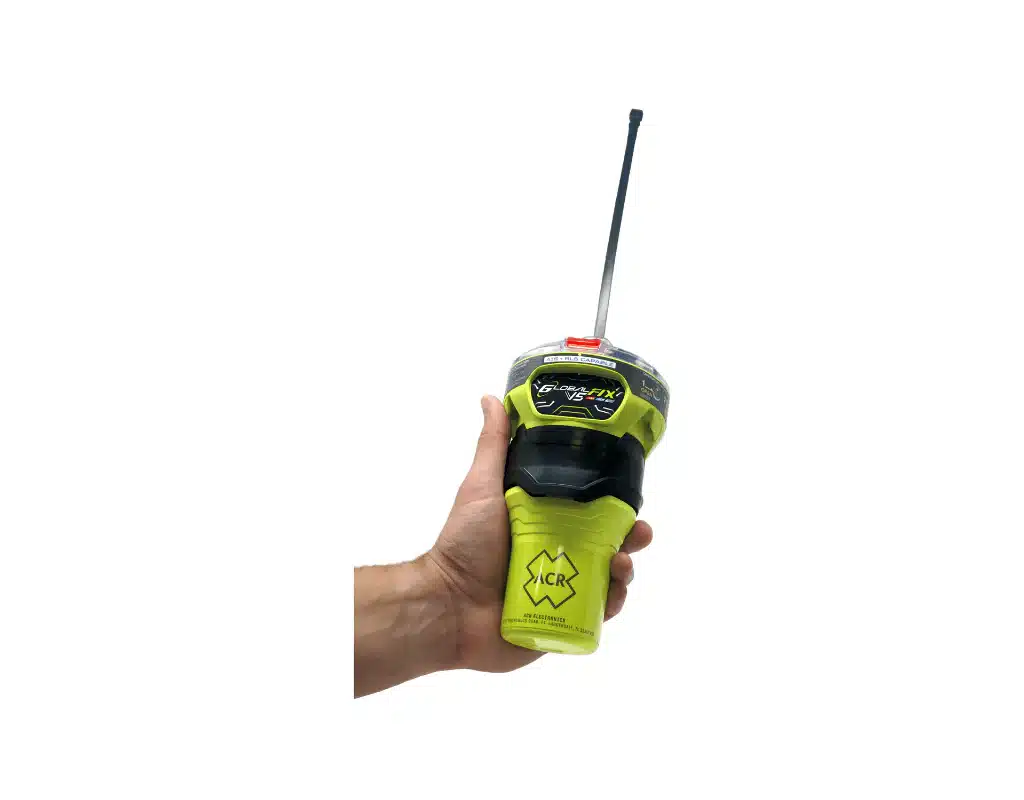
A PLB is a compact device designed for individual use. It performs a similar function to an EPIRB but is registered to a person rather than a boat.
Once activated, it sends a distress alert via satellite, including your GPS location. Like EPIRBs, PLBs also include a homing signal to guide rescuers in the final stages of recovery.
PLBs are versatile and suitable for:
- Boating and sailing
- Hiking, Skiing and remote travel
- Aviation use
- Situations where mobile signal is unavailable
They are especially useful for crew members who move between vessels or individuals travelling alone.
EPIRB vs PLB: Key Differences
- Registration: EPIRBs are tied to a vessel, while PLBs are linked to an individual and a vessel.
- Usage: EPIRBs are strictly for marine use; PLBs can be used on land or at sea.
- Activation: EPIRBs can activate automatically in water; PLBs require manual activation.
- Battery life: EPIRBs typically last longer once activated. Ebirbs at least 48 hours, PLB’s min of 24 hours.
- Floatation: EPIRBs float by design; not all PLBs do.
AIS Beacons: Man Overboard Safety
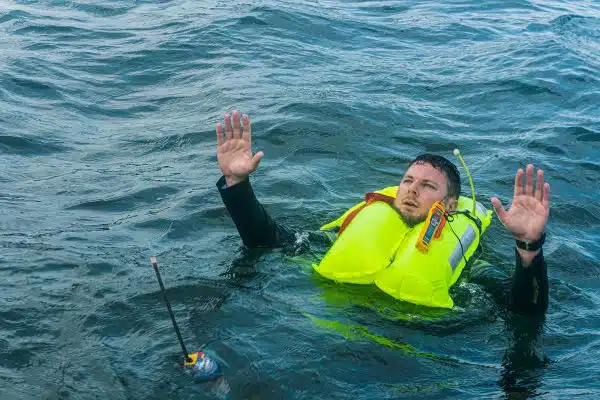
AIS beacons are designed primarily for man-overboard situations. Instead of contacting satellites, they send a distress signal directly to nearby vessels equipped with AIS systems.
These devices:
- Broadcast your GPS position to nearby boats
- Typically work within a range of about 4–5 miles
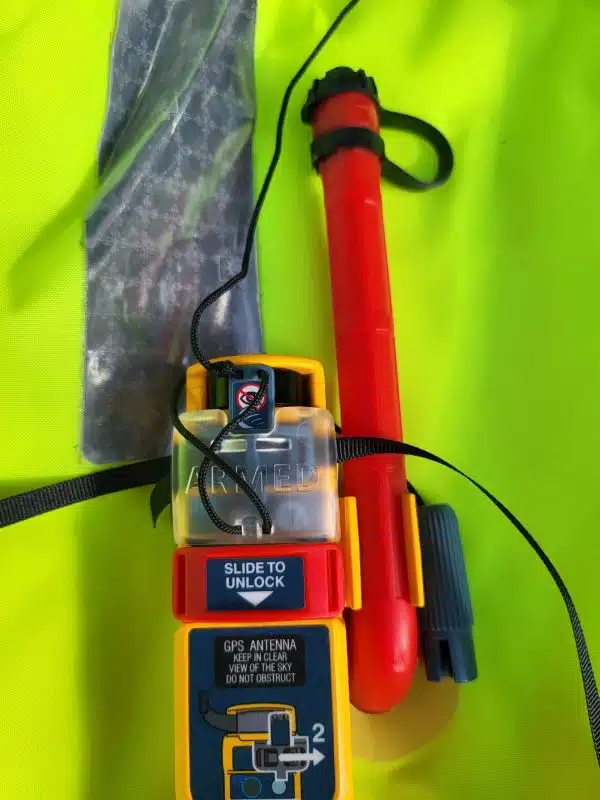
- Often integrate with lifejackets and activate automatically when inflated
They allow your own crew—or nearby vessels—to respond quickly.
Choosing Between AIS and PLB
The right choice depends on who is most likely to rescue you:
- AIS beacon: Best for situations where your own vessel or nearby boats can respond quickly (e.g. man overboard). AIS are water activated.
- PLB: Better for emergencies where outside rescue services are needed, especially if no vessels are nearby. PLB are activated manually.
Solo sailors often benefit more from a AIS while crewed vessels may prefer PLB for immediate recovery.
Combined Beacons
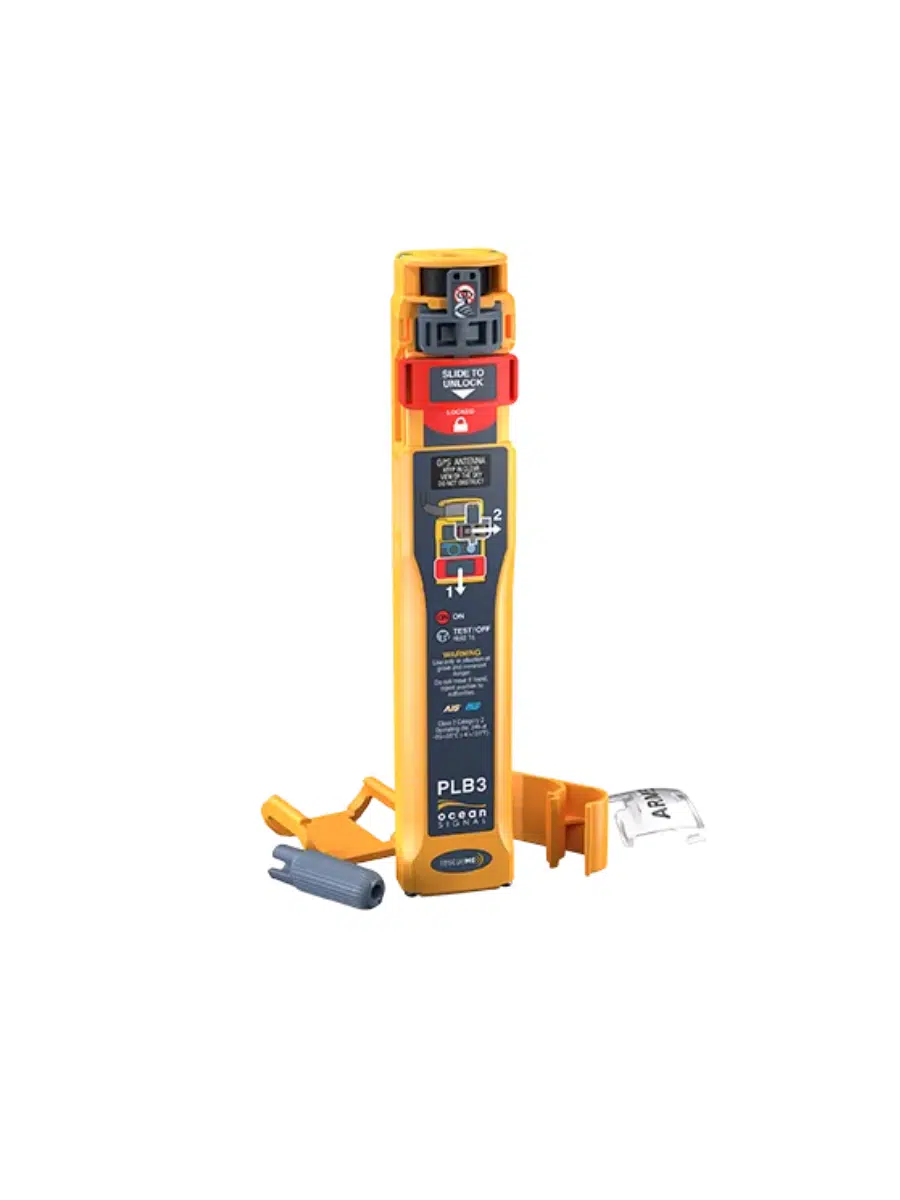
Newer devices now combine PLB and MOB technology into a single unit. These offer both global satellite alerts and local vessel-based tracking, increasing the chances of a fast rescue response.
Final Thoughts
Safety beacons are a crucial addition to any marine safety setup. Whether you choose an EPIRB, PLB, MOB device—or a combination of these—depends on your activity, environment, and rescue expectations. The best approach is often to use multiple systems to maximise your chances of being located quickly in an emergency.